How to Get Around in Rome: Guide to Public Transportation in Rome
Are you visiting Rome soon and want to understand how far you can get using public transportation alone? Don’t worry. I’ve got you covered. As someone who has lived in Rome for the past almost 9 years now, I consider myself somewhat of an expert at navigating around the city. Especially, since I don’t ever drive in Rome.
And now, in this blog post, I’m going to explain to you the different metro lines in Rome, what are the best ticket options for public transportation and how it works, and other alternatives including taxis, Ubers and electric bikes. So read on, because I also share some of my hacks to ensure you’re not waiting in long lines for taxis in highly touristy spots in the city.
Public transportation in Rome is operated by ATAC, and it connects the city with an extensive (though occasionally unpredictable) web of metros, buses, trams, and trains. Once you know the basics, though, it’s a fantastic way to explore Rome without breaking the bank.
Planning your trip to Rome last minute?
Make sure to book your e-sims, hotels, and activities in advance to ensure a smooth and enjoyable trip.
Top Recommendations to Book Before You Go:
✓ e-Sims:
✓ Best Hotels in Rome:
✓ Free Walking Tours of Rome:
✓ Car Rentals:
Need help planning your trip? Book a consultation here
Public Transportation In Rome
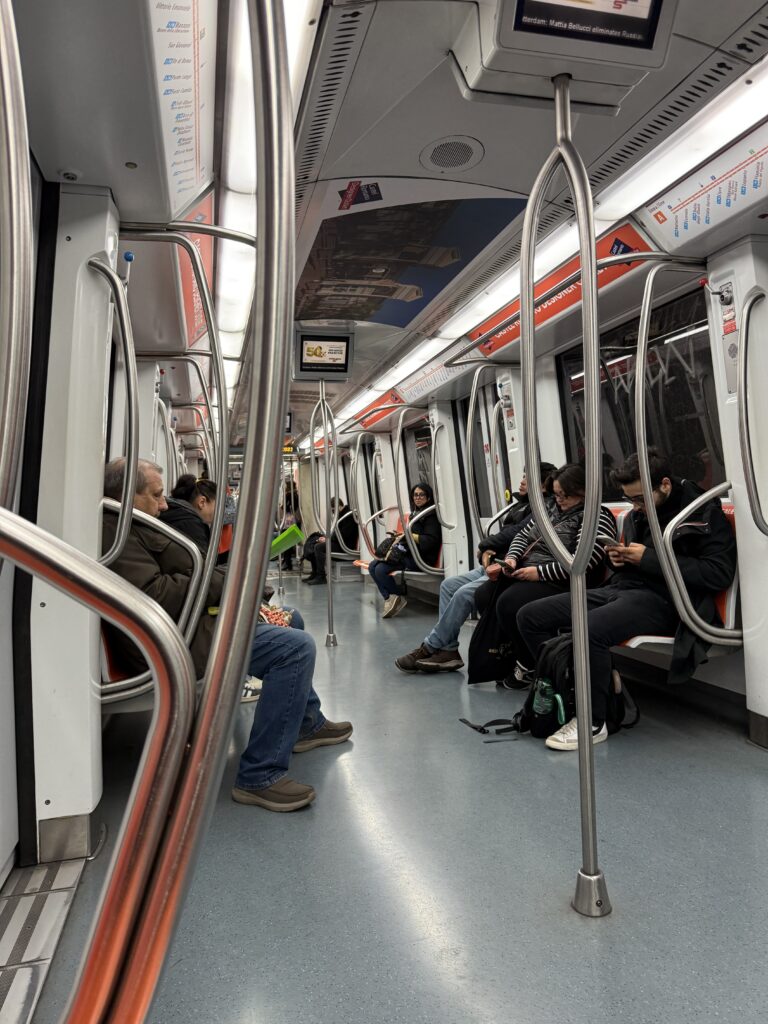
Rome is connected by a network of metros, buses, trains and trams run by ATAC, making the city quite accessible for anyone visiting. So if you want to save on transport, I highly recommend using the metros and buses when possible. Here’s what you’ll need to know about the Roman public transportation:
Metros:
Rome’s metro system isn’t as vast as other major European cities, but it does the job of connecting key landmarks. The city has three metro lines you that you may end up using during your stay in the city
Metro A (Orange Line): This is the tourist’s dream line! It stops at must-visit spots like the Spanish Steps (Spagna), Trevi Fountain (Barberini), the Vatican Museums (Ottaviano), the Basilica of St. John Lateran (San Giovanni) and of course Termini (for the main central train station).
Metro B (Blue Line): This line takes you to historical gems like the Colosseum (Colosseo), Circus Maximus (Circo Massimo), and the Mouth of Truth (also Circo Massimo).
Metro C (Green Line): Only half of Line C is functioning currently, as this is the newest line still under construction in Rome. You'll need this line if you're going to one of Rome's up and coming area- Pigneto for a fun night out. However, this line should soon be expanding (hopefully in 2026) to connect you with other iconic central monuments like the Roman Forum and Piazza Venezia. So, I recommend checking on Google maps what is the closest metro stop from where you’re situated.
Buses:
Rome’s buses crisscross the city, covering areas that metros and trams don’t reach. They’re especially useful in the city center, but they are often packed with people during certain hours of the day.
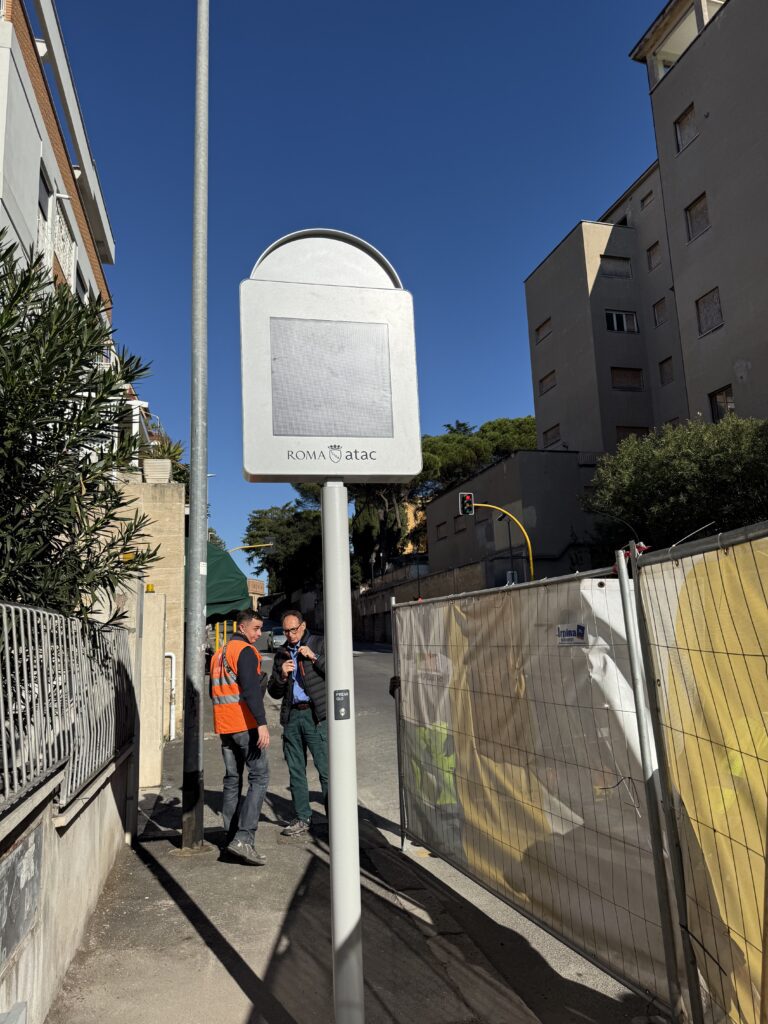
The only thing to note about the busses, is that they aren’t as reliable as the metros. Often I’ve found myself waiting for hours for a bus that never showed up, in typical Italian fashion. However, these days, you can always check the live timings of the bus on either the electric monitors at certain bus stops (pictured below), or just on certain apps like Google Maps or Moovit.
Trams:
Trams in Rome are often overlooked, but they’re a lovely way to see the city, especially if you’re exploring older, picturesque areas. These are the two trams that are relevant for tourists visiting the eternal city:
Tram 3: Runs from the Colosseum to the Trastevere train station, making it perfect for visiting one of Rome’s trendiest neighborhoods. I love seeing the iconic view of the Colosseum pass by outside the window followed by glimpses of the river.
Tram 8: Connects Piazza Venezia to the heart of Trastevere, a great option for those heading to dinner or drinks in this lively district. Trastevere is a must visit for anyone who loves lively night outs.
Trains:
Rome’s urban train network is limited, but it can be useful for specific routes. It connects the northern and southern parts of the city and can take you to nearby attractions like the seaside town of Ostia and Ostia Antica. For most tourists, though, trains are more for day trips, which I’ll cover later.
Buying Tickets for the Public Transportation:
So by now, you’re probably wondering, how much does public transportation cost in Rome? Let me break it down for you.
A single ATAC ticket (what you'll need for the metro, buses, trams and even certain train rides withiin Rome) costs €1.50 and is valid for 100 minutes. This ticket works for a single metro ride, and can be used for unlimited bus and tram rides within the 100 minutes time frame.
However, for tourists, you can also pick up a 24/48/72 hour ticket or opt for an Integrated Weekly Card based on how long you’re staying in the city and how often you plan on using the metros. This costs 8.50, 15.00, 22.00 and 29.00 euros respectively.
Additionally, you can also opt for a Roma Pass, that includes your transportation pass along with admission to 1 or 2 museums or archaeological sites of your choice with skip-the-line access and discounted entry at various other places and events in the city. If you plan on packing your trip with lots of cultural experiences, the Roma Pass might be the right choice for you.
Where to Buy Metro and Bus Tickets in Rome?
Now let’s break down where you can buy these said tickets in Rome or before you even leave for your trip.
If you’re planning to buy your ticket before your trip, I recommend buying the Roma Pass online, so that way you can hop onto the metro/buses once you get to the city right away. You can find different variations on HeadOut or GetYourGuide.
Next, if you’re like me and like to take it easy, you can also pick up your tickets once you get to the city. Here’s where you can buy your ticket once you get to Rome:
Ticket Machines: Available at metro stations and select bus stops (but don’t rely on the ones at bus stops—they’re often out of order).
Tabacchi Shops: Look for a shop with a big “T” sign outside; they’re everywhere in Rome.
Tap & Go: If you have a contactless credit or debit card, you can simply tap it at the metro turnstiles or on buses. This is my personal favourite way to use the metro and buses is Rome. But remember that you cannot pay for someone else's ticket with your contactless card or device if they're travelling with you as Tap & Go ® is an individual service that you can use only with your personal credit, debit or prepaid card.
If you’re buying a paper ticket at any point, make sure to validate it when you get onto a bus, or you can be fined for it.
Pro Tip: If you’re using Tap & Go, the system calculates your fare automatically. For one ride, it’s €1.50, but if you make multiple trips in a day, it caps the cost at the daily fare of €8.50.
Traveling with Children and Pets on the Metros
If you’re coming to Rome with kids, you should know that children up to the age of 10 can travel for free on the public transportation that includes the metros, trams and buses within the city center when accompanied by a fare-paying adult.
Bringing your furry friend along? They too can travel on the metros, buses and trams in Rome, as long as they have a muzzle and their health book/documents on hand. It is recommended that you use the last or first compartment of the metro when you’re traveling with your dog.
Taxis In Rome
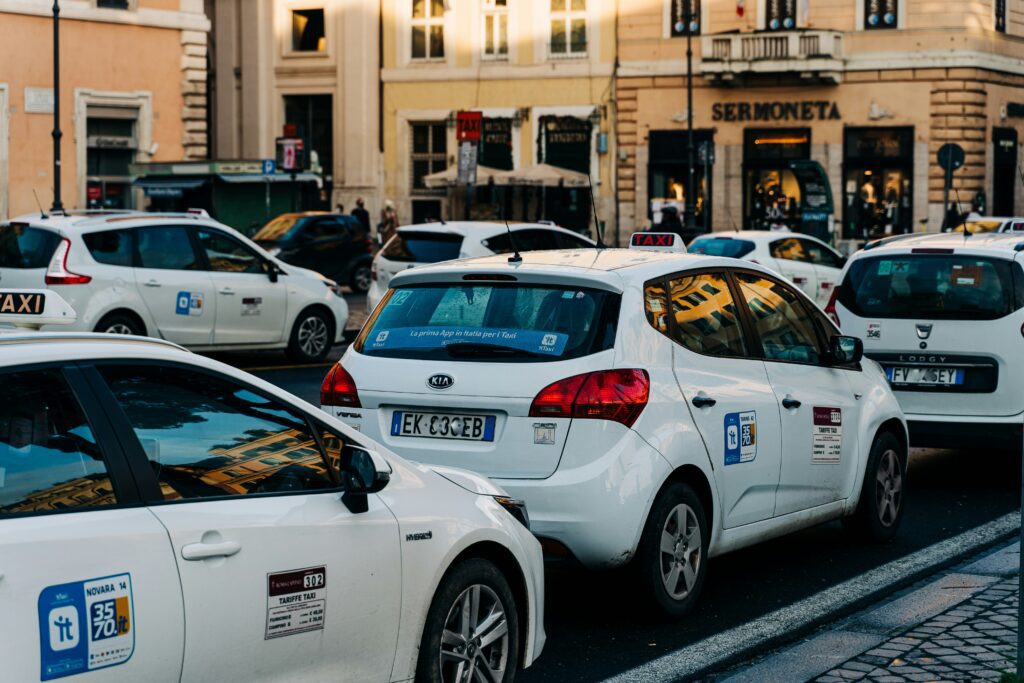
Rome has plenty of taxis, and you’ll only find them at official taxi stands (or by using an app). Fares start higher than zero—here’s what to expect:
- Weekdays (6 AM–10 PM): €3 starting fare.
- Sundays and holidays (6 AM–10 PM): €4.50 starting fare.
- Nighttime (10 PM–6 AM): €6.50 starting fare.
To hail a taxi, I recommend using apps like FreeNow or ItTaxi, which let you book and pay directly through your phone.
Get 25% (up to € 5,00) off your 1st FREENOW trip when you use my referral code: lkm84569h. Not got the app yet? Download it here. Now you'll be wondering, but what about Uber?
Does Uber Work in Rome?
Yes, Uber works in Rome, but only Uber Black is available, which means higher-end cars and sometimes higher fares. While Uber also connects to local taxis, wait times for these rides are often longer. My advice? Use Uber Black for a more seamless experience, or stick to FreeNow and ItTaxi for regular taxis.
Electric Bikes and Scooters: Eco-Friendly and Fun
In recent years, electric bikes and scooters have become a popular way to zip through Rome’s streets. Companies like Lime, Dott, and Bird offer rental options for short trips. These are fantastic for cooler evenings or quieter times of day when traffic is lighter.
A few things to keep in mind:
- Drive on the roads, not the sidewalks—you can get fined for breaking this rule.
- Only one person per bike or scooter (no doubling up!).
- Prices vary by company, but many offer passes if you plan to use them frequently. Personally, I like Lime bikes because they feel more study and they offer a passes for those who plan to use the bikes frequently.
Regional Train Network in Italy
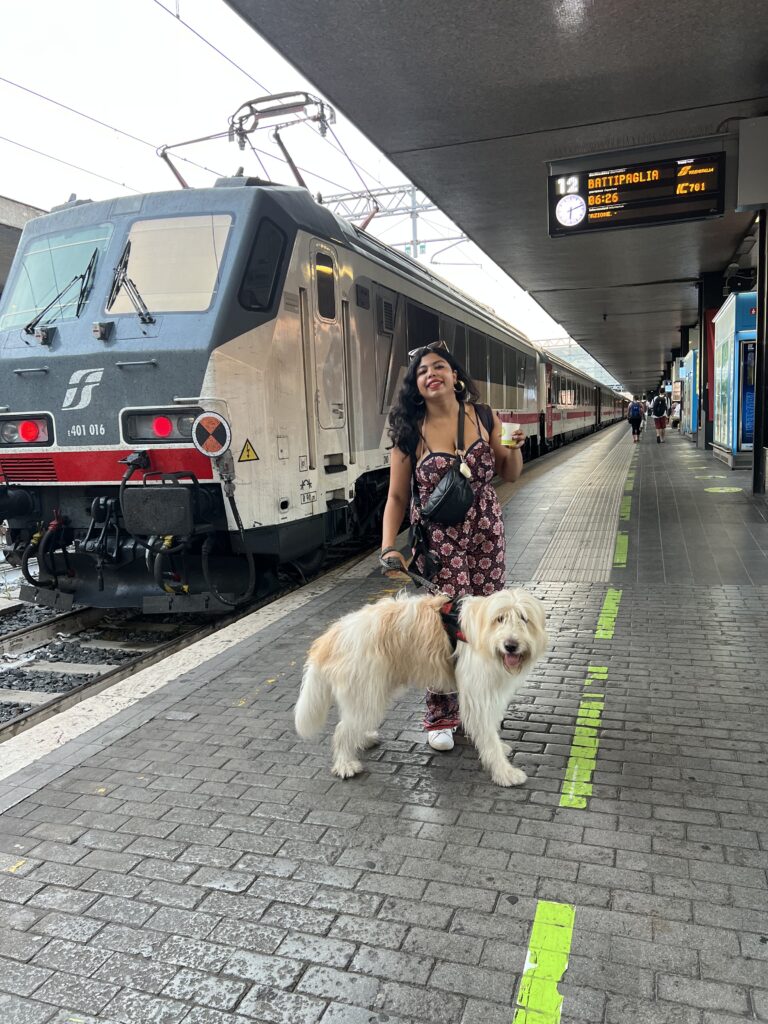
And if you're visiting Rome and have some time to squeeze in some fun and unusual day trips, you'll need to know about the regional train network in Italy. So here's an overview:
Regional Trains: Ideal for exploring nearby spots like Castelli Romani or seaside towns like Santa Marinella, Ladispoli, or Fiumicino. You can book tickets for these through the Trenitalia app or through Omio to compare the best prices and timings suitable for you. Alternatively, you can also purchase the tickets from the ticket machines at the train station, but I don't recommend this as you could find lines at the machines.
High-Speed Trains: For longer trips to cities like Florence, Naples, Venice, or Milan, hop on the high-speed trains operated by Trenitalia or Italo. I love Omio for comparing the times and prices of both companies before booking for the best deals.
Pro Tip: If you’re booking in advance, check Italo for deals—I’ve snagged round-trip tickets to Florence for as little as €30!
How to Find the Best Routes In Rome
Navigating Rome can feel like a maze, but apps like Google Maps, Moovit, and CityMapper make it a breeze. My personal favorite is Moovit—it gives live updates for bus timings, which is a godsend when dealing with Rome’s notoriously late buses.
With this guide in hand (and these apps downloaded!), you’re ready to tackle Rome like a seasoned traveler. Buon viaggio!
And if you need help planning your trip, feel free to book a consultation call with me here. I'd love to share all my tips and hacks to help you plan the best trip to Italy.